Video
The Archaeology of the Arsacid World: The Material Consequences of being a Stepchild of History
Abstract
The Arsacid dynasty, and the empire which it established, has received comparatively little attention in scholarship. This is neither a new nor a controversial observation. This neglect has been captured through two genealogical metaphors. In Iranian historiography, the Arsacid dynasty is the overlooked middle child, caught between the more esteemed Achaemenid and Sasanian dynasties. In international scholarship, the Parthians are the stepchildren of Classical history—overshadowed by Rome, its favored full-blooded heir.
The underlying causes that have led to this state of affairs are multifarious and layered, including difficulties with sources, orientalist biases, and geopolitical challenges. One common factor, however, is the attempt to map cultural logics from the Mediterranean world onto the Arsacids, and use methodologies imported from the same space to interpret their material culture. This paper argues that we must recognize the limitations of these analytical frameworks and understand why they are insufficient to explain the rich material evidence from the Arsacid period. The road forward to a more holistic analysis of the Arsacid world on its own terms requires a global perspective that situates the empire within the rich tapestry of late first millennium BCE societies across Eurasia.
Citation
Fabian, Lara. “The Archaeology of the Arsacid World: The Material Consequences of being a Stepchild of History,” Global Antiquity: Whither Global Antiquity (April 10, 2025).
About the Speaker
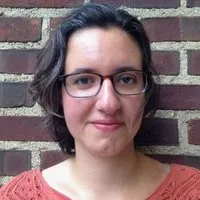
Lara Fabian
University of California, Los Angeles
Lara Fabian is Assistant Professor of Iranian archaeology in the Department of Near Eastern Languages and Cultures at UCLA whose work focuses on Southwest Asia in the Iron Age and later. Her current book project considers the material imprint of empire in its afterlife through an examination of the post-Achaemenid world. Her scholarship is informed by historiographic and reception studies on the development of thought about antiquity and the question of Iran and the Caucasus in the Russian Empire, Soviet Union, and post-Soviet Eurasia. As part of this wider research, she has co-directed collaborative Azerbaijani-American fieldwork in Azerbaijan since 2016. Before coming to UCLA, she worked on the “Beyond the Silk Road” ERC project at Albert-Ludwigs-Universität Freiburg.